

Introduction: Why Sitemaps Matter in GSC
Sitemaps are one of the most powerful tools in Google Search Console (GSC). They tell Google about the structure of your website and help it discover new or updated content quickly. For Indian bloggers, news portals, and eCommerce websites, submitting a sitemap is often the first step after making changes to site content.
Many website owners assume that submitting a sitemap in GSC means Google will immediately crawl their pages. But as Google’s John Mueller explained, this assumption is wrong — there are no guarantees of instant crawling.
This misunderstanding often leads to frustration among publishers who expect fast results, especially after critical changes like URL slug updates, product launches, or news publishing.
What John Mueller Said About Sitemap Uploads
A Reddit user recently asked in the r/TechSEO community whether uploading just the sitemap.xml file was enough or if they also needed to submit sub-sitemaps like page-sitemap.xml and sitemap-misc.xml. The user had changed their website’s URL slugs and wanted to know how long Google would take to crawl them.
“You can submit the individual ones, but you don’t really need to. Also, sitemaps don’t guarantee that everything is recrawled immediately + there’s no specific time for recrawling. For individual pages, I’d use the Inspect URL tool and submit them (in addition to sitemaps).”
Mueller clarified that uploading the main sitemap index file is enough for Google to understand and process other linked sitemaps. He also stressed that crawling is not automatic and depends on multiple factors.
Sitemap Index vs Individual Sitemaps
There are two main types of sitemap submissions:
- Sitemap Index File (sitemap.xml): This is a master file that links to all other sitemaps of your site.
- Individual Sitemaps: These contain URLs for specific sections like pages, posts, images, or news.
According to John Mueller, submitting the sitemap index file alone is enough. However, many SEOs prefer to upload individual sitemaps for reassurance. This way, if Google misses some URLs in the index, they still get direct signals.
| Submission Type | Pros | Cons |
|---|---|---|
| Sitemap Index File | Simple, covers everything | Relies on Google to process all linked sitemaps |
| Individual Sitemaps | Direct submission of updated URLs | Extra effort, duplicates index submission |
Why Sitemap Uploads Don’t Guarantee Crawling
Google does not provide any fixed timeline for crawling. Factors like site authority, crawl budget, server health, and frequency of updates determine how quickly your pages get indexed. This is why two different sites submitting sitemaps on the same day may experience different results.
The sitemap is only a hint for Google, not a command. Crawling is still subject to Googlebot’s priorities, algorithms, and server response quality.
Using Google’s URL Inspection Tool
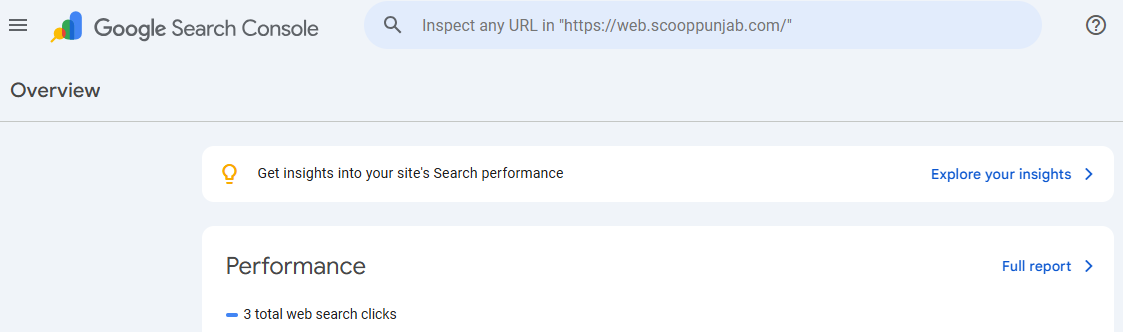
One of the most powerful features in GSC is the URL Inspection Tool. It allows SEOs and webmasters to request indexing of individual URLs. This is particularly useful for:
- Newly published articles
- Recently updated product pages
- News websites with time-sensitive content
However, the limitation is that you can only submit one URL at a time. There is no bulk upload feature for URL inspection, which means large-scale site changes require patience.
Best Practices for Indian SEOs
1. Always Submit a Sitemap Index
This ensures that Google has a master roadmap of your website.
2. Upload Important Individual Sitemaps
For large news sites or eCommerce stores, uploading article or product sitemaps separately may help Google discover critical updates faster.
3. Use URL Inspection for Critical Pages
If you’ve just launched a new offer, published breaking news, or updated a money page, use URL Inspection to request indexing immediately.
4. Maintain Healthy Crawl Budget
Factors like page speed, mobile-friendliness, and structured data help Google crawl efficiently. Avoid unnecessary duplicate pages.
5. Monitor Crawl Stats
Regularly check the Crawl Stats report in GSC to understand how often Googlebot visits your site.


Leave a Reply